What is CRM? A Definitive Guide to Customer Relationship Management and Its Core Functions
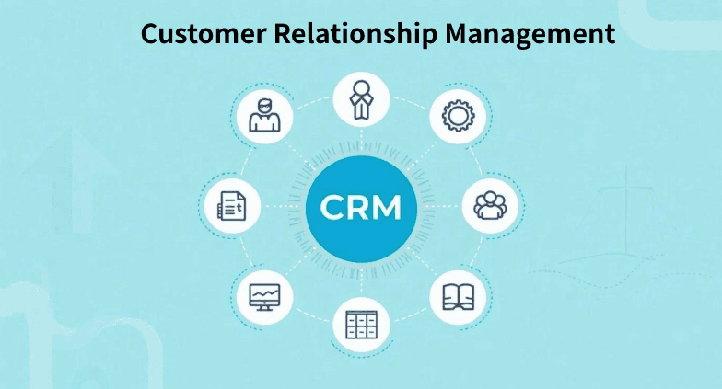
In the modern business, customer data is the most valuable essence. But data spread across spreadsheets, inboxes, and disparate systems is useless. The solution that brings order and strategic value to this chaos is Customer Relationship Management (CRM).
While often mistaken for just a sales tool or a simple database, a CRM system is the central nervous system of a successful, customer-centric organization. This guide will define what CRM truly is, break down its core functional components, and explain why it is essential for unified business growth.
What is CRM? Defining the Heart of Your Business
Customer Relationship Management (CRM) is a technology and a strategy designed to manage a company's interactions and relationships with customers and potential customers. The goal is simple: to improve business relationships to drive growth, particularly through improved retention and sales.
A CRM system provides a single source of truth for all customer data. Instead of scattering information across multiple departments, the CRM acts as a centralized repository where every employee—from sales to support—can access the full, unified history of every customer interaction.
This centralization allows businesses to understand:
Who the customer is (personal/company details).
What their history is (purchases, contracts, support tickets).
Where they are in the relationship (prospect, active customer, advocate).
This holistic view is critical because it ensures every interaction is informed, personalized, and efficient.
The Four Core Pillars of CRM Functionality
The power of a modern CRM system stems from its ability to integrate and automate key business processes across the entire organization. These functions can be categorized into four core pillars:
1. Sales Management
The CRM's original and most recognized function is enabling the sales team to be more efficient and close deals faster.
Lead and Opportunity Tracking: CRMs automate the capturing of new leads from various sources and allow sales reps to track the progress of every opportunity through the defined sales pipeline. This provides accurate forecasting and ensures no lead falls through the cracks.
Contact Management: Beyond basic contact details, this function stores detailed information on communication history, social media activity, and key stakeholders within an account.
Sales Automation: Tasks like sending follow-up emails, logging meeting notes, and scheduling reminders are automated, freeing up sales reps to spend more time selling.
2. Marketing Automation
CRM integration is essential for modern, data-driven marketing efforts. It ensures that marketing messages are delivered to the right people at the right time.
Targeted Segmentation: Marketers can use the rich data within the CRM (e.g., past purchase behavior, website activity, engagement levels) to create highly specific customer segments for personalized campaigns.
Campaign Management: CRMs track the performance of marketing campaigns across email, social media, and paid ads, allowing marketing teams to calculate the true ROI and refine their messaging based on customer response.
Lead Nurturing: It automates the process of nurturing early-stage leads with relevant content until they are qualified and ready to be handed off to sales.
3. Customer Service and Support
The CRM transforms the customer service experience from reactive to proactive, ensuring high customer satisfaction and speedy resolution of issues.
Case Management: All customer inquiries, regardless of channel (phone, email, chat, social media), are logged as support cases or tickets. The entire history is available to the support agent, eliminating the need for the customer to repeat their issue.
Knowledge Base Integration: CRMs often link to a self-service knowledge base, helping customers find immediate answers and reducing the volume of incoming support tickets.
Service Metrics: It tracks key service performance indicators (KPIs) like average response time, resolution time, and customer satisfaction (CSAT) scores.
4. Analytics and Reporting
This pillar converts raw customer data into actionable business intelligence.
Customizable Dashboards: Executives and managers can visualize key metrics in real-time, such as sales pipeline value, marketing campaign performance, and team productivity.
Predictive Analytics: Advanced CRMs use historical data to forecast future sales trends, identify potential churn risks, and predict which leads are most likely to convert.
Unifying Your Customer Experience
Ultimately, the core importance of CRM is not the automation of tasks, but the unification of the customer experience. When sales, marketing, and support all work from the same comprehensive customer record, your company delivers a seamless, consistent, and personalized service across every channel.
This improved consistency directly leads to increased customer trust and satisfaction. However, to truly capitalize on this foundation, businesses must recognize that the biggest return on their CRM investment lies not in acquiring new names, but in nurturing the relationships they already possess.
The final goal of centralizing customer data with a CRM is to dramatically increase the value of your existing customer base.
Tags:
Ready to Build Your Community?
Discover how Commune can help you create an engaged community that drives business results.